

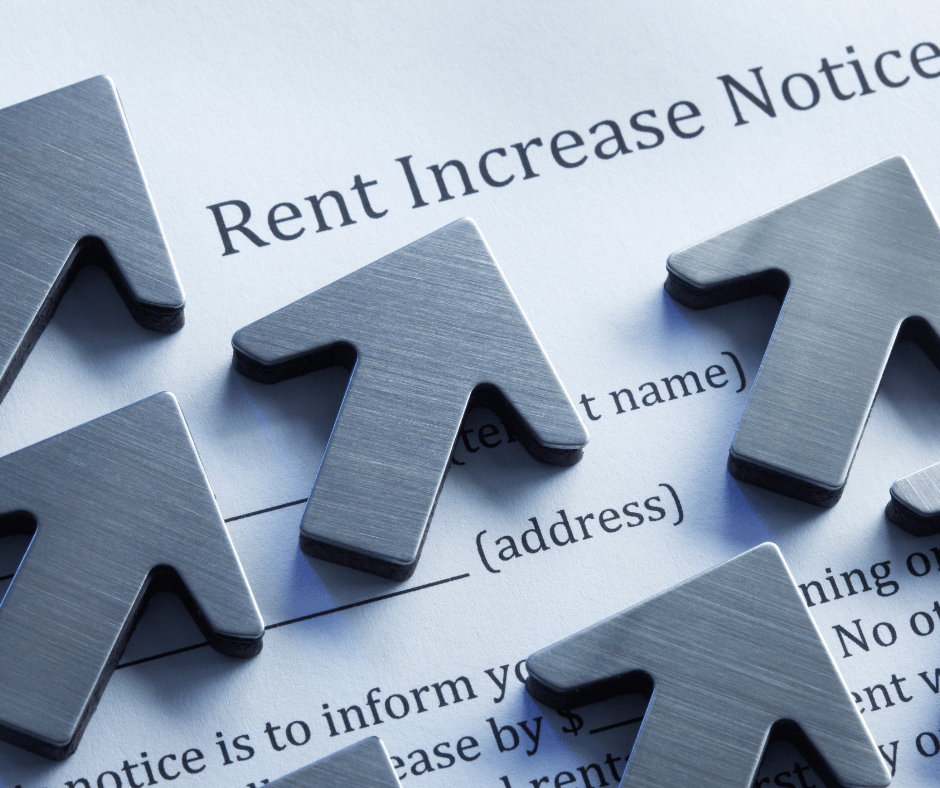
The Complete Guide to Rent Increases in 2026: What UK Landlords Need to Know
Rent increases are one of the most searched property management topics heading into 2026, and it’s easy to see why. Rising costs, changing legislation and tenant affordability all play a part. For landlords, understanding how and when you can increase rent legally is essential if you want to protect your income while keeping good tenants on side. This guide to rent increases explains how it works in 2026, what’s changing in England, and how to approach them sensibly and compliantly.
Rent increases in England from 1 May 2026
From 1 May 2026, rent increases in England will follow a clearer statutory process. Landlords will generally need to use the formal Section 13 rent increase procedure for periodic tenancies. This means increases must be fair, evidence-based and supported by the correct notice.
Key points landlords in England should know in this guide to rent increases:
- Rent increases can usually only be applied once every 12 months
- A minimum of two months’ notice must be given before the new rent starts
- The increase must reflect market rent, not simply rising mortgage costs
- Tenants have the right to challenge the increase if they believe it is unreasonable
Getting the timing or paperwork wrong can delay the increase or invalidate it entirely, which is why many landlords choose to work with a professional property management company in Peterborough.
How to increase rent without losing good tenants
One of the biggest mistakes landlords make is treating rent increases as purely transactional. In reality, how you handle the process can directly affect tenant retention and long-term returns.
Here are some practical tips that work well in day-to-day property management.
Base the increase on evidence
Before proposing a rent increase, review:
- Similar properties currently advertised as a property to rent in Peterborough
- Recent lets for comparable homes nearby
- Improvements or upgrades made since the tenant moved in
A modest, well-explained increase is far more likely to be accepted than a sudden jump with no context.
Communicate early
Even though the increase must be served formally, a friendly conversation or email beforehand can make a big difference. Let tenants know:
- When the review is coming
- Why the rent is increasing
- When it will take effect
Clear communication often prevents disputes before they start.
Make sure the property justifies the rent
Tenants are more accepting of increases when the property is well maintained. Simple actions help:
- Deal with repairs promptly
- Address mould or ventilation issues
- Keep communal areas clean and safe
- Ensure all legal certificates are up to date
This is where a proactive letting agent in Peterborough can add real value.
Think long term
A slightly lower increase that keeps a reliable tenant is often better than pushing to the top of the market and facing a void period. Consistent income usually beats short-term gains.
Rent levels and local demand in Peterborough
When marketing a property to rent in Peterborough, pricing must reflect current tenant demand, not just national trends. Local factors such as transport links, schools, amenities and condition all influence what tenants are willing to pay.
At PTL Lettings, we help landlords balance compliance, market rent and tenant relationships. As a hands-on property management company in Peterborough, our role is to make rent reviews straightforward, fair and stress-free.
If you’re unsure how much rent you can charge in 2026, or you want help managing a rent increase properly, speak to PTL Lettings today. Call 01733 555183 or email info@ptl-lettings.co.uk for practical advice from a local letting agent in Peterborough.
In the meantime, we’ve answered your common questions about rent increases in 2026.
FAQs
How often can I increase rent in England in 2026?
In most cases, rent can only be increased once every 12 months using the statutory process.
How much notice do I need to give for a rent increase?
In England and Wales, landlords must usually give at least two months’ notice. In Northern Ireland, three months’ notice is required.
Can tenants challenge a rent increase?
Yes. Tenants can challenge an increase if they believe it is above market rent, so evidence is important.
Should I increase rent every year?
Not necessarily. Some landlords choose smaller, less frequent increases to retain good tenants and reduce voids.
Do I need a letting agent to manage rent increases?
You don’t have to, but many landlords prefer using a letting agent in Peterborough to ensure the process is compliant and professionally handled.