

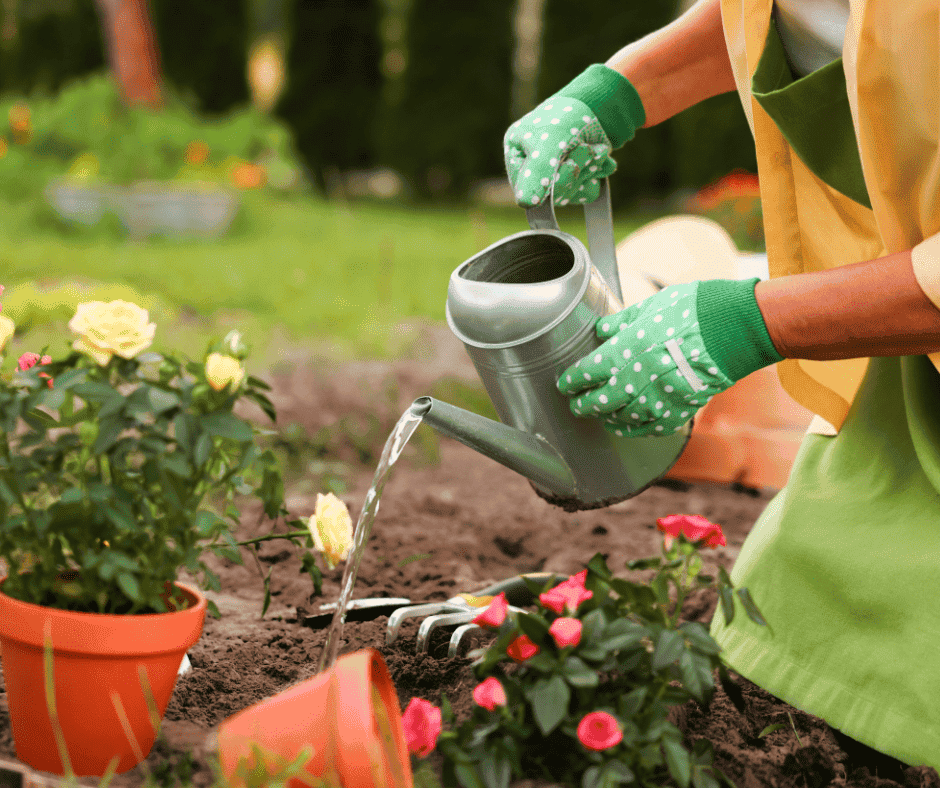
Who Looks After the Garden in a Rental Property? A Spring Guide for Landlords and Tenants
With spring here and outdoor space becoming usable again, gardens quickly move back into focus. Lawns start growing, hedges need attention, weeds appear almost overnight, and tenants naturally want to enjoy the outside space more. That makes this the perfect time to ask an important question: who is responsible for the garden in a rental property? For landlords with a property to rent in Peterborough, setting out garden responsibilities clearly can help avoid confusion, complaints and costly upkeep later on.
At PTL Lettings, we often find that gardens can become a grey area unless expectations are made clear from the start. A tenant may assume the landlord will deal with everything outside, while the landlord may expect the garden to be kept reasonably tidy throughout the tenancy. As any experienced property management company in Peterborough will tell you, a little clarity at the beginning can save a lot of hassle later.
Why garden responsibilities matter more in spring
During the colder months, outdoor space often fades into the background. Once spring arrives, that changes. Tenants start opening doors, using patios, spending time outside and noticing whether the garden feels pleasant or neglected.
For landlords, spring is also when small problems become easier to spot, such as:
- overgrown grass
- broken fencing
- loose paving
- damaged sheds
- dead plants or shrubs
- weeds taking over borders
- drains blocked with leaves or debris
A scruffy garden can affect how a property feels to tenants and can even influence future viewings if the property is remarketed. If you want your property to rent in Peterborough to look appealing, the outside space should not be ignored.
Is the tenant responsible for the garden?
In many cases, yes, the tenant is expected to carry out basic garden maintenance, but this depends on what is written into the tenancy agreement.
Usually, a tenant may be expected to deal with routine jobs such as:
- mowing the lawn
- keeping borders reasonably tidy
- watering plants where appropriate
- sweeping paths and patios
- removing weeds
- disposing of garden waste properly
- not allowing the garden to become overgrown
That said, tenants are not normally expected to take on specialist gardening work, major landscaping, tree surgery or the replacement of established plants unless this has been clearly agreed.
This is where wording matters. If expectations are vague, disputes can creep in. If expectations are clear, both sides know where they stand.
What should landlords remain responsible for?
Landlords usually remain responsible for the bigger picture, especially where safety, structure or specialist upkeep is involved.
This may include:
- maintaining boundaries, walls and fences
- dealing with dangerous trees or large branches
- repairing rotten decking or unsafe steps
- fixing drainage issues
- replacing broken gates
- handling major clearance work if the garden was already in poor condition before the tenancy started
A good rule of thumb is this: tenants should maintain, while landlords should repair or replace when needed.
If you are a landlord and are unsure how this should be handled for your own rental property in Peterborough, PTL Lettings can help you set fair and realistic expectations that protect both your property and your tenant relationship.
Start with the inventory
One of the easiest ways to avoid garden disputes is to make sure the inventory is detailed from day one.
The check-in report should record:
- the condition of the lawn
- whether borders were tidy
- the state of fences and gates
- patio or decking condition
- sheds, greenhouses or bins included
- whether the garden was freshly maintained at move-in
Photos are especially useful. If the garden is neat at the start, it is much easier to show how it should be returned at the end of the tenancy.
This matters because end-of-tenancy disagreements are often less about who should do what, and more about whether the condition has clearly changed.
Keep expectations realistic
It is important to be fair. Not every tenant is a keen gardener, and not every garden needs the same level of care.
A simple, low-maintenance garden is much easier for a tenant to manage than a large outside space with shaped hedges, flower beds, fruit trees and extensive planting. If a landlord wants a high-standard finish all year round, it may be worth arranging a gardener instead of relying on the tenant.
This can work well for:
- larger family homes
- premium rentals
- properties with complex gardens
- landlords who want more control over presentation
- homes being prepared for future sale
For some landlords, professional gardening can be a worthwhile investment, especially if kerb appeal matters.
Handy tips for landlords this spring
If you want to protect your outside space and keep things straightforward, here are a few practical steps:
- check the tenancy agreement – make sure garden responsibilities are clearly written in plain English
- review your inventory – include garden photos and notes at check-in
- keep the garden manageable – low-maintenance planting can reduce future issues
- carry out seasonal inspections – spring is an ideal time to check how the outside space is being looked after
- deal with repairs quickly – broken fences or unsafe paving should not be left
- communicate early – if the garden is starting to slip, a polite reminder works better than leaving it too late
For any landlord working with a letting agent in Peterborough, regular inspections can make a real difference. They help catch issues early and keep the property looking its best.
A simple approach works best
Garden responsibilities do not need to be complicated, but they do need to be clear. Spring is the perfect time to review what your tenancy agreement says, inspect the current condition of the outside space and make sure everyone understands their role.
At PTL Lettings, we know that good property management is often about the smaller details. A well-kept garden can improve tenant satisfaction, protect the condition of your investment and help your property to rent in Peterborough stand out for the right reasons.
What Next?
If you need help managing your property to let in Peterborough, or you want advice from an experienced property management company in Peterborough, speak to PTL Lettings today.
Call us on 01733 555183 or email info@ptl-lettings.co.uk to find out how we can help keep your rental property running smoothly inside and out.
In the meantime, we’ve answered your common questions about who looks after the garden in a rental property.
FAQs
Is mowing the lawn usually the tenant’s responsibility?
In many cases, yes. Basic upkeep such as mowing the lawn and keeping the garden tidy is often treated as the tenant’s responsibility, provided this is stated in the tenancy agreement.
Can a landlord expect a tenant to improve the garden?
Usually no. A tenant can normally be expected to maintain the garden, not improve it or pay for major landscaping work.
Who is responsible for broken fences or unsafe paving?
This is generally the landlord’s responsibility, as it falls under repair and safety rather than day-to-day maintenance.
Should garden responsibilities be included in the tenancy agreement?
Yes. This is one of the best ways to avoid misunderstandings during the tenancy and at check-out.
Is spring a good time to inspect the garden?
Yes. Spring is ideal because growth starts again, issues become easier to spot, and outdoor space begins to be used more regularly.